Friday, May 13, 2016

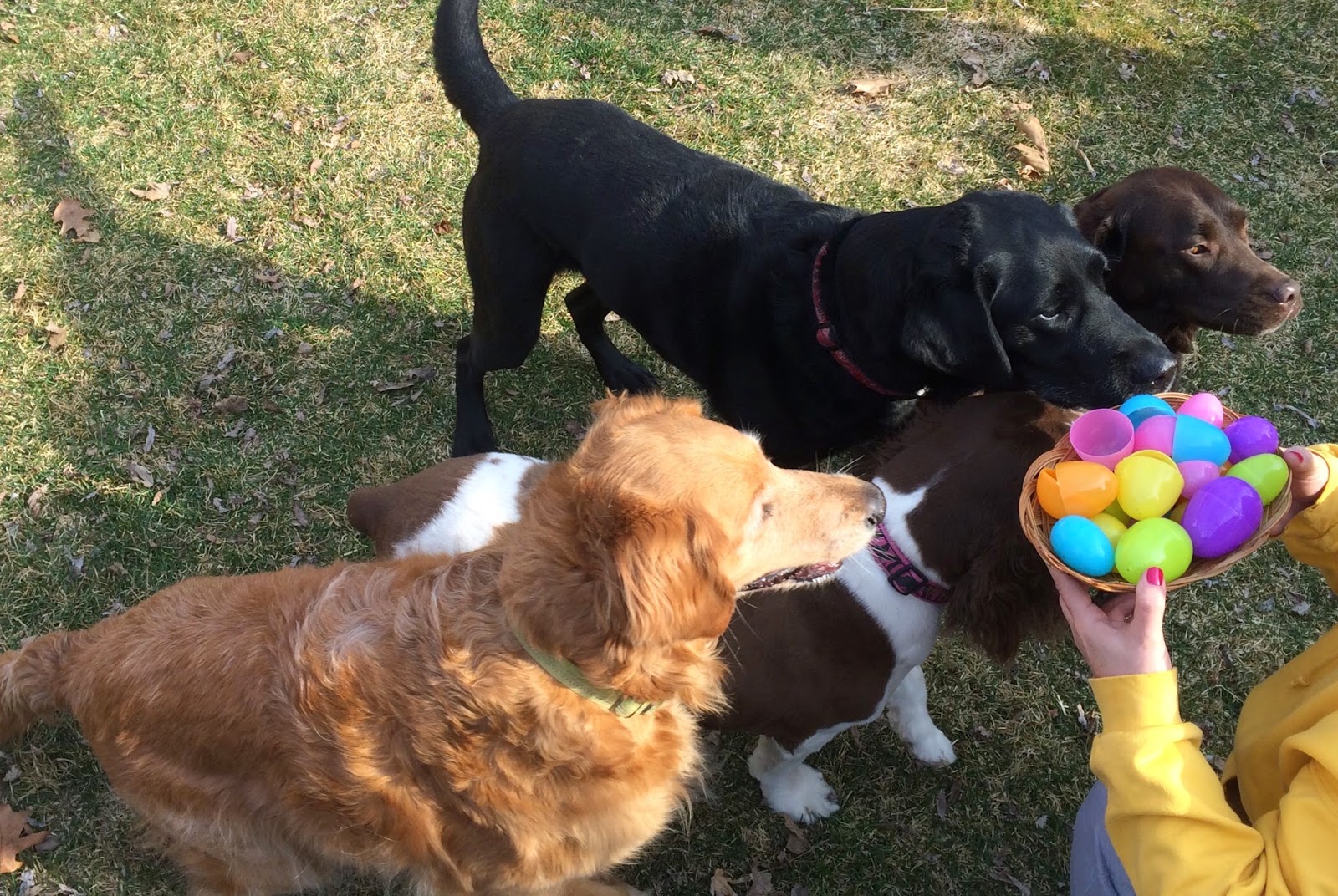
Found: Lost Dog!

A few times a year, we have stray dogs or cats brought to us to scan for a microchip.  More often than not, the pet hasn’t been microchipped, or the microchip hasn’t been registered making it useless.  However, twice in April we had some good luck. Two lost dogs were brought to us and both dogs were microchipped... and the registration information on both microchips was up-to-date allowing us to find the owners and get the dogs back home. 

Studies show that 1 in 3 pets will get lost in their lifetime, and without ID, 90% of pets will never return home.  In fact, getting lost is the number one cause of death in pets.  According to a study by the American Veterinary Medical Association, dogs are over 52% more likely to be returned home if they are microchipped, and cats are over 38% more likely to be returned home.  These statistics illustrate the importance of microchipping, and we find that many of the dogs and cats in our practice are microchipped.  This, however, is only the first step in the process.

The second step to getting a microchipped pet home is to make sure the registration information is current.  When we microchip a pet, we register that number with the owner’s address and phone number.  Oftentimes, information for one or more alternate contacts will also be included, increasing the chances of getting the pet home.  In a study we did in hospital a few years ago, we found that 40% of the microchips in our patients were not registered, or registered with inaccurate information.   In these cases, the microchip is useless because there is no information for the owner attached to it. 

What can you do to make sure your pet can get home to you if he or she gets lost?  First, microchip your pet.  Most dogs and cats tolerate the process very well.  We can do it at any visit.  Second, make sure your information is registered to the microchip.  If you move or change your phone number, make sure you update your information.  If we can’t find you, we will have a very difficult time getting your dog or cat back to you.  If your pet is microchipped, and you don’t know if it’s registered to you (or at all), we can help.  We can scan your dog or cat and check on the registration information.  We can’t change this for you, but we can give you the necessary phone numbers to take care of it.  Please talk to any technician for more information on microchipping and registration. 

Monday, February 29, 2016

What is a Cat Friendly Veterinary Practice?


We are Cat Friendly!
by Kelly L., CVT

In the US, there are millions more cats than dogs as pets, but cats see the veterinarian much less frequently than dogs.  One of the biggest reasons is that it is very stressful for cats (and their owners) to go to the doctor.  In fact, studies show that 58% of cat owners report that their cat hates going to the vet, and 38% of owners say that they get stressed just thinking about taking their cat to the doctor.  At Hallett Veterinary Hospital, we’ve become an American Association of Feline Practitioners designated Cat Friendly Practice to help make visits more comfortable for cats and their owners. 

What does this mean for you and your cat?
To be given the designation of a Cat Friendly Practice, we needed to prove that we have taken steps to assure we understand the specific needs of cats and have implemented feline friendly standards to decrease stress and provide a more calming environment.  

  • Our staff has been trained in feline friendly handling and understanding cat behavior.
  • We have an exam room dedicated to cats only.  This room is down the hall, away from the waiting room and our busiest exam rooms.  
  • We have a Feliway diffuser which is a calming, synthetic feline facial pheromone running in the exam room all day.  
  • We have installed shelves for cats to play on.  We can also do our physical exams on these shelves if a cat is more comfortable there.
  • We have toys available for playful cats, and a window for cats that like to look outside.  
  • Our staff goes slowly with cats using the least amount of restraint that is necessary to handle them.  We also have some lower stress techniques for handling uncooperative cats.  
  • We try to do as many procedures as we can in this exam room rather than move the cat to another area of the hospital that may be unfamiliar and uncomfortable.  
  • We have a separate cat ward for hospitalized patients to make sure they are away from noisy dogs.  
We are proud of our Cat Friendly Practice designation and work hard to provide a less stressful experience for cats and their owners.

Monday, November 16, 2015

We are an “AAHA Accredited Hospital”, but What Does that Mean?

All over our hospital, we have the American Animal Hospital Association logo posted.  We have the logo on our brochures, windows, reminder postcards, and even exam table mats.  That red and white logo means a lot to us.  Our accreditation by AAHA is something we’re very proud of, but what does that mean for your pet? 

Accreditation is required by human hospitals, but voluntary for animal hospitals.  We have voluntarily chosen to be accredited. The American Animal Hospital Association is the only association in North American that provides accreditation to animal hospitals. 

To be accredited by AAHA, our hospital must show that we provide an exceptional level of medical care and client service, and be measured against the most rigorous standards in the veterinary industry.  We are inspected by a representative of AAHA every three years.  We are evaluated on AAHA’s Standards of Accreditation, which is an extensive list of more than 900 standards that directly correlate to the care we provide for pets.  Some examples include: 
  • Medical records
  • Pain management
  • Diagnostic services
  • Pharmacy
  • Anesthesia
  • Hospital cleanliness

Only 12% of animal hospitals in North America are accredited by AAHA, and we are very proud to be one of them!  We have been accredited since 2005.

By choosing to take your pet to an AAHA accredited hospital, you can be assured that we are dedicated to providing your pet with the best medical care possible.   Our veterinarians and staff believe that keeping pets healthy is our top priority.  As a pet owner, you can expect to receive the highest quality care from a well-trained, professional team that cares for your pet like it was one of our own.
 
That red and white logo means a lot to us, and we hope it means a lot to you, too!


Tuesday, August 25, 2015

August is National Immunization Awareness Month!  And, just like us, it is important for our pets to stay up to date with their immunizations!
 by Michelle B. 

You receive a reminder from your veterinary clinic letting you know your pet is due for vaccinations.  You love your pet and want to keep him healthy, but you may wonder how necessary these vaccinations really are.  Does my indoor cat really need a rabies vaccine?  My dog doesn't go any further than my backyard, does he really need a distemper vaccine?  The answer is yes, our pets should have certain vaccinations, along with a yearly exam.  Rabies and distemper are considered core vaccinations for both dogs and cats and need to be updated on a regular basis. 

Rabies is a fatal disease in humans and in animals that is easily prevented with a vaccination.  It is a viral disease that affects the central nervous system.  The virus is transmitted through the saliva of infected animals, usually through a bite, but can also be transmitted through a scratch or if saliva from an infected animal comes into contact with broken skin.  Any mammal is a potential carrier, although here in Wisconsin, skunks and bats are the most likely carriers.  The Rabies vaccination is recommended for both dogs and cats.  Many people ask, “Why do I need to vaccinate my indoor animal?”  First, it is the law in most communities and is required in order to get a dog or cat license.  Second, unexpected things do happen.  A bat may get into your home and expose your indoor cat or dog.  While, it may seem unlikely, the consequences can be severe and fatal.  One of our clients found a bat in their home that turned out to be positive for rabies! Here at Hallett Veterinary Hospital, we recommend a Rabies vaccination every 3 years for dogs, after the first year, and every year for cats.

The canine distemper vaccine, which you will commonly see abbreviated as DHPP or DHLPP, protects against more than just the distemper virus (D).  It also protects against canine hepatitis (H), canine parvovirus (P), and parainfluenza (P), along with leptospirosis (L) in many cases. 


  • Canine distemper attacks the respiratory, digestive and nervous system of dogs and is very serious and can be fatal in approximately 50% of untreated dogs.  Wild raccoons can carry and spread the canine distemper virus.
  • The canine hepatitis portion of the vaccine protects against both canine adenovirus-1 and adenovirus-2, which affect the liver and respiratory systems.  Canine hepatitis is almost always fatal and acts quickly, causing a lot of pain. 
  • Parvovirus is highly contagious and has a death rate of nearly 90% in untreated dogs.  It causes debilitating diarrhea, vomiting and fever.
  • Parainfluenza is a respiratory virus that can affect dogs.
  •  Leptospirosis is a potentially fatal bacterial disease that infects the liver and kidneys and can cause kidney failure.  It is transmitted through contaminated soil, water and the urine of infected animals and can be transmitted to humans.  In fact, we have treated several dogs for leptospirosis this year.


Here in Wisconsin, we recommend boosting the leptospirosis vaccination yearly, due to increased exposure risk, as leptospirosis is prevalent in our area.  The canine distemper vaccine is initially given as a series of three vaccinations every four weeks to puppies and unvaccinated dogs, boosted at 1 year of age and then every three years. 

The feline distemper vaccine, which is commonly abbreviated as FVRCP, also protects against a number of diseases.  These include feline rhinotracheitis virus (FVR), calicivirus (C) and panleukopenia (P).  Feline rhinotracheitis is a respiratory disease that can result in chronic, often life long, infection and sometimes eye disease.  Calicivirus is also a respiratory disease that can cause mouth sores and oral pain.  Panleukopenia is a severe and highly infectious disease that affects the gastrointestinal tract, immune system and nervous system.   It causes a decrease in white blood cells and can be fatal.  All three of these diseases can be found in the environment and can spread through contact with infected cats.  The feline distemper vaccine is initially given as a series of three vaccinations every four weeks to kittens and unvaccinated cats, boosted at 1 year of age and then every three years.

There are several other vaccinations available for both dogs and cats that are not considered core vaccinations and should be given based upon the pet's environment and exposure risk.  These include bordetella or kennel cough and Lyme disease for dogs and feline leukemia for cats.  Your veterinarian will gladly help you determine if these vaccinations are necessary for your pet's health and protection. 


So, when you receive that reminder for your pet's vaccinations, just remember that these vaccinations protect your pet against serious and potentially fatal diseases.  They help to protect the members of your family as well, as some of these diseases can be transmitted to humans.  If you have further questions about your pet's vaccines, be sure to contact Hallett Veterinary Hospital.  Any member of our staff can help explain the importance of these vaccines and help you decide when and if your pet should be vaccinated.  

Michelle B. is a receptionist at Hallett Veterinary Hospital.

Tuesday, April 14, 2015

...More Information on Canine Influenza

Yesterday (4/13/15) we received an email from the Wisconsin Veterinary Diagnostic Lab stating that the current outbreak of Canine Influenze is from a new strain of the virus that has not been seen in the U.S. previously. Here are our current recommendations regarding Canine Influenza Virus:

  • Avoid dog parks or other areas where dogs congregate - for now. 
  • Don't travel with your dog - especially to the Chicago area - for now.
  • If you must travel with your dog or if there is no way to avoid having your dog contact other dogs, consider vaccinating for Canine Influenza.
  • Wash your hands and change clothing if you are in contact with other dogs before coming home to your dogs. 
Please note that the current vaccine will not protect against this new strain (H3N2) but it will protect against the old strain (H3N8) of Canine Influenza that is still out there. There does not seem to be any cross-protection between strains of the virus. 

If you dog is coughing, has a runny nose or fever, call your veterinarian. Testing must be done within the two days of symptoms. 

Here are some additional links for more information:

We will continue posting updates as we get new information.

Update June 2015: The canine influenza outbreak in the Chicago area seemed to burn itself out with time. Occasional cases may continue to pop up around the country but there is still no vaccine for this strain and it doesn't seem to be widespread at this time. We don't recommend avoiding dog parks, travel etc. at this time. 

Monday, April 6, 2015

Canine Influenza Update

Canine Influenza is easily transmitted between dogs
Canine Influenza has returned. This time in the Chicago area. I received an email today with some of the details. One report indicates that there may be 1,000 sick dogs and 5 deaths. My first thought was "quick, we need to order some Canine Influenza vaccine and start vaccinating dogs again". Of course, that email was from a vaccine sales rep. So as usual, I checked in with veterinary infectious disease specialists and reviewed notes on the virus again.

Here's what we know:


  • Canine Influenza is highly contagious but most dogs have mild symptoms and recover quickly.
  • Some dogs will get severely ill and a few will die.
  • Virus transmission can occur after close contact with an infected dog or even from contact with toys or surfaces that contact an infected dog.
  • Vaccines are available - dogs are considered protected about four weeks after the first injection (it is a 2 shot series, three weeks apart).
  • This is an outbreak, not an epidemic. Most outbreaks with this virus die out after a few weeks.
  • Canine Influenza does not transmit from dogs to people or from dogs to other species.
  • Coughing dogs should be tested for Canine Influenza but the tests take 3-5 days to show results.
  • As with most viruses, treatment involves providing supportive care early on and waiting for the body to fight off the virus. Antibiotics do not help unless there is a secondary bacterial infection.

So...
In Oconomowoc, Wisconsin, we are not recommending mass vaccination of dogs at this time. If your dog has been to a daycare or boarding facility or dog park in the Chicago area AND is coughing, see your veterinarian now. If you take your dog to dog parks, stay current on kennel cough vaccine since that is much more common than Canine Influenza.  If you are at a dog park and there is a coughing dog, leave.

We will continue to monitor the Chicago outbreak and notify our clients if the situation changes. I'm glad to know that the vaccine is available in the event that the outbreak spreads closer our area.

Tuesday, March 24, 2015

Is Beneful REALLY Harming My Pet???

by Kelly N. CVT

By now, most major news sources have run the story about a massive lawsuit filed by an individual in northern California that claims Purina Beneful has caused the death of one of his dogs and severe illness in his other two dogs.  There are now several thousand complaints against Beneful and the harm it is causing pets. 

Take a deep breath.
Like many pet food recalls, this lawsuit story is getting hugely blown out of proportion.  Let’s look at this label from a bag of Beneful:


As I understand it, the lawsuit suggests that propylene glycol is the ingredient causing internal bleeding, liver failure, vomiting, diarrhea, seizures, and kidney failure.  The problem here is that PROPYLENE glycol sounds very similar to ETHYLENE glycol.  Ethylene glycol is antifreeze, a substance that is very toxic when ingested.  Propylene glycol, on the other hand, is not antifreeze.  In fact, anyone reading this blog has most likely ingested propylene glycol today.

How can this be?  

Propylene glycol is a PRESERVATIVE that is in many food products and medications.
According to the FDA, propylene glycol, as a food additive, is metabolized well in the body and is used as a normal carbohydate.  The FDA recognizes propylene glycol as an additive that is “safe” for use in food.  Long-term use and substantial quantities can be consumed without causing toxicity.

There is one ingredient on that list that concerns me. 

Look at what is listed just BEFORE propylene glycol.  SUGAR.  I don't believe sugar has any business being in dog food.  Dogs don’t need it.  Sure, the food tastes great and dogs will readily eat it; too much of it, actually.  Many of the dogs that I see eating Beneful are overweight.  Being overweight has more health risks than the so-called “killer food additive”.

We love our pets and want to do the best we can for them.  Nutrition for our furry friends has become a hot topic recently. Last month I attended the Western Veterinary Conference in Las Vegas and spent hours attending pet nutrition lectures presented by board certified veterinary nutritionists.  If you ever have questions or concerns about what you’re feeding your pet, please contact me.

Thursday, November 13, 2014

"Mind Controlling Parasite", Really? CNN and Fox Promote Panic in Cat Owners!

by Whitney M. 

My cat, "Biggs", attempting to use
mind control to get my husband to
do the laundry 
I recently received a panicked text from my husband after he read an article on Facebook put out by Fox6Now.com and originally CNN Wire Service  titled “Mind-controlling’ parasite that lives on cats may have infected 60 million people”.  After reading this article he was genuinely concerned about our mental health, seeing as we have three cats.  The reporter wrote about a “mind controlling parasite that can’t live without a cat, how it manipulates personality – and possibly suicide numbers.”

The article states that the parasite, Toxoplasma gondii, “has been shown to cause personality changes, correlating with mental health diseases like schizophrenia, autism and Alzheimer’s disease.” While the links between Toxoplasmosis and mental health disease are still being researched, I believe this article is inflammatory, misleading, and detrimental to cats.  While it’s true that cats can be a source of Toxoplasma infection, people are more likely to be infected by eating undercooked contaminated meat or gardening. 
Here is what we do know about Toxoplasmosis according to the Centers for Disease Control:

  • Cats become infected by eating other infected animals, such as rodents and birds.
  • Oocysts are shed in the stools for up to three weeks after infection which can then contaminate the litterbox of indoor cats.  Soil and water can also be a source of contamination for outdoor cats.
  • Usually a cat will only shed oocysts after the first infection of Toxoplasma; a cat that has already had an infection will not continue to shed unless it is immunocompromised.
  • It takes 24-48 hours for oocysts outside of the cat to grow into a form where they are infective to people.  This means that scooping your cats’ poop every day is a great way of reducing risk of infection.
  • Cats themselves are not a source for oocysts; their feces are. 
  • The CDC estimates that more than 60 million people may have been infected with the parasite, but of those, very few become sick.  A healthy immune system usually prevents the parasite from causing illness.
Basically you have little to worry about.  Though your cat may think he controls your mind, there is absolutely no scientific research that supports that he will do it through a mind-controlling, suicide-inducing parasite.  The best way to prevent Toxoplasma infection via felines is by cleaning the litterbox every day (hint hint, Husband of mine…), washing your hands, and wearing gloves while gardening.  If you have any questions or feel like your cat is getting inside your head, please feel free to call our office or check our website and search toxoplasma in our pet medical library.

Tuesday, November 4, 2014

Rabies Kills More People Than Ebola

by Michael Fagan, DVM
To follow up on our last blog, which discussed Ebola in dogs, we'll talk about another disease with an even higher mortality rate (virtually 100%), kills 5 times as many people every year (over 50,000)  than Ebola has in the past decade, and exists right here in the US.  Why hasn't this been in the news?
It's rabies.  And it's preventable.  Fortunately, here in the US and much of the developed world, cases of human rabies have been dramatically reduced, thanks to widespread vaccination of dogs, cats, and horses, as well as control of feral dog populations.  Our risk of rabies in the US is primarily from wildlife, especially bats. 
from: Centers for Disease Control

In 2010, about 6000 animals tested positive for rabies in the US, including approximately 2200 raccoons, 1400 skunks, 1400 bats, 400 foxes, 300 cats, 70 each of cattle and dogs.  


from: Centers for Disease Control
The 1400 bats represents about 1 in 6 that are submitted for testing.  All but four states had rabies positive bats.  Wisconsin had 27 bats that tested positive (we had a rabies-positive bat brought to Hallett Veterinary Hospital last month), as well as one skunk and one fatal human rabies case, which was transmitted by a bat. 


The third world, however, is a different story from the US. 
Tens of thousands of people die from rabies every year in Africa, India, and Southeast Asia.  Almost half of those are children.  Their exposure comes mainly from dogs, often stray or feral.  In South America, vampire bats are a common source of exposure.
Every year, more than 15 million people worldwide receive a post-exposure vaccination to prevent rabies.  The cost of treating a person bitten by a rabid animal in the third world is about $400, which is more than an entire year's income for most of the population.    Vaccination after exposure greatly reduces the chances of developing rabies infection, which likely prevents hundreds of thousands of deaths per year.

The cost to vaccinate dogs in these countries would be 10% of the cost to treat people who have been exposed.   Click here for more information on how you can help, and here for informational videos.

Friday, October 24, 2014

Ebola and Dogs?

Can Dogs Transmit Ebola Virus?

by John Hallett, DVM

According to the CDC, "There are no reports of dogs or cats becoming sick with Ebola or of being able to spread Ebola to people or other animals," even in Africa. But then again, the CDC also downplayed the risk to medical workers in this country because our health system is so much better than in Africa.

So why is a dog in Texas under quarantine?
It appears that they just want to be sure. If you are paying attention to the media recently, you know that Ebola is transmitted by direct contact with body fluids from a person sick with Ebola or from contact with a bat or monkey that is carrying the virus. In Spain an Ebola patient's dog was euthanized, which sounds a little extreme considering what is known about the virus. I'm glad that pets of Ebola patients are not being euthanized in this country. I suppose if a dog stepped in or rolled in bodily fluids from an infected person and then rubbed that stuff on another person, they could be implicated in transferring the virus but an object like a chair could do almost the same thing. The important thing is that so far, dogs have not developed disease after being exposed to the Ebola virus. 

The CDC info that is being distributed to veterinarians says "There is limited evidence that dogs become infected with Ebola virus." So I checked around a little more. In 2005 a study in Africa showed that dogs can develop antibodies against Ebola but no virus was found in those dogs (antibodies are produced by an animal to fight a disease). This suggests that dogs can develop an immune response (antibodies) if they are exposed, but the immune response is apparently effective at keeping the virus from staying alive in dogs. It is possible that dogs could develop antibodies to Ebola without ever being infected (by just being exposed to the virus) but it doesn't look like much research has been done on dogs. I'm sure someone will write a paper on the Texas dog. 

I suspect that someone will suggest that I shouldn't even be concerned about Ebola and that the media is promoting panic about Ebola while ignoring other things that kill many more people. For example, 51,000 people die of Rabies in India and Asia every year and in Baoshan, China, 5,000 dogs were killed because 5 people died from Rabies in July and August. That doesn't mean we should panic - about Rabies, or about Ebola, but we should learn all we can about new diseases to be prepared for things that are going to become more common.

Wednesday, July 9, 2014

Have mice? Some mouse poisons have no antidote!

Bromethalin has no antidote!
Quite often we are presented with a dog who has eaten rat or mouse poison and we have to sort out what brand of poison, when they ate it and how much they ate, so we can induce vomiting and give the antidote along with messy oral activated charcoal to stop absorption of the poison.  We also send home oral medication for two to four weeks and draw blood to check clotting times after finishing the medication. Sometimes, the owners don't know that poison has been ingested. They just know that their dog is bleeding. It could be bloody urine, blood in the stool or just bruising on the skin or in the eyes. Then we try to sort out if there is a medical reason for the bleeding or just poison exposure.

Most rat and mouse bait contains an anticoagulant that can be treated with Vitamin K for varying lengths of time depending on the product.  Some mouse bait contains warfarin or diphacinone, so called "first generation" anticoagulants that require 14 days of vitamin K. Other products contain "second generation" anticoagulants like difenacoum, brodifacoum and bromadiolone that require 30 days of treatment with vitamin K.

Fortunately, the EPA set new rules in 2011 to save wildlife from exposure to second generation anti-coagulants. This was after they measured anticoagulant residue in up to 70% of the wildlife tested. Apparently, there has been a 50% reduction in cases of poisoning in children since the new rules took effect. Seems to me that maybe keeping our kids safe should trigger some rules of their own, but keeping wildlife healthy is important too.  Second generation anti-coagulant poisons are still available but only in bulk packaging to be used by professional exterminators. The makers of d-Con finally agreed to comply with the ruling in May of this year after fighting it for three years. 

Anticoagulant rodenticides are pretty scary, but now there are some newer poisons in rodenticides that contain bromethalin - a neurotoxin with no antidote! Many dogs can recover from bromethalin poisoning if detected early and given supportive care for as long as 6 weeks (expensive supportive care).

So what can you do?  

  • Check the active ingredient before purchasing a rodenticide product. Make sure it has warfarin or diphacinone - first generation anti-coagulants. 
  • If you have an exterminator come to your house, ask for a list of active ingredients of the products that they are using and make sure they don't use bromethalin or one of the second generation anticoagulants. 
  • Make sure the bait is in a protective container and not just scattered loosely.
  • You can also check the shelves at your local grocery or hardware store and send the store a nice note if they have second generation anticoagulant rodenticides or bromethalin on the shelf. Ask them to discontinue stocking those products. You could even send the store a copy of this blog. Who knows, maybe it will save a pet's life or even a child's?

Friday, May 9, 2014

Oh, No! Heartworm Preventatives Aren't Perfect Anymore


Year Round Heartworm Prevention is Important                  by Dr. Michael Fagan

For twenty-plus years, we've enjoyed the privilege of telling our clients that our heartworm preventative medications were 100% effective in preventing heartworm disease if given monthly throughout the entire mosquito season.  Now we have to settle for telling you that they are Very Effective. 

Very Effective is still a good thing, but some aspects of our overall prevention strategy have become even more important.  Over the past several years, there have emerged a few strains of heartworms that are resistant to the entire class of drugs used as heartworm preventatives (known as macrocyclic lactones, or ML).  So far, it appears that none of the available products (Heartgard, Iverhart, Revolution, Interceptor, Advantage Multi), are superior to any other:  while every product is still very effective, each has been documented to be less than 100%. 

What this means for our patients:
  • It is very important to give monthly heartworm preventive year-round.
  • Annual heartworm testing is essential to identify any dog that have acquired a resistant heartworm infection. 
One of our patients, a year
after heartworm treatment
Dogs that do become infected with ML-resistant heartworms tend to be infected with lower numbers of worms than dogs that are not on preventatives at all.  They still need to be treated with injections of melarsomine to eliminate the adult heartworms for their own health, but also to eliminate the source of resistant worms that could be transmitted to other dogs.

Treating dogs that are infected is expensive and painful. The drug (melarsomine) is currently only available on a case-by-case basis from European production facilities. Melarsomine is injected deep into the muscle along the spine and it hurts! Dogs must be kept quiet for two months during treatment which means no running or playing. We are currently treating a really sweet black lab who moved here from the Southern U.S. where resistant heartworms have been identified.


Tuesday, December 17, 2013

Should a Pet With Cancer Get Chemotherapy?


by Michael Fagan, DVM
“Cancer” is a word that can induce fear and other emotions.  Many people have personal experiences with cancer and chemotherapy that they don’t wish to impose on their pets.  To be sure, cancer and the many treatment options we can offer are not to be taken lightly.  However, we do have many patients that have received treatments for cancer with favorable outcomes, from cures or long term remission to improved quality of life for many months to years.

The most important factor in determining treatment options and recommendations is what type of cancer the pet has developed.  “Cancer” is a very broad term, with many different types and variable response to different kinds of treatment.  Each patient with cancer is unique.  We offer options based on the type of cancer, symptoms or lack thereof, the pet’s overall health, and owner preferences.  Some cancers are best treated by surgical removal.  Others respond best with radiation, chemotherapy, or immunotherapy.  Some have a poor prognosis regardless of treatment, and control of pain or other symptoms takes priority before opting for euthanasia. We will often consult with a veterinary oncologist as we explore the options available.

The goals of treatment are also unique to each patient, but as a general rule, we aim for a cure only if we can preserve good quality of life throughout the process.  More often, we are trying for a long term remission or control of tumor growth for many months to a few years.  The most common treatment for cancers that are not curable with surgery is chemotherapy of one form or another.

Herein lies a vital difference between veterinary and human medicine:  in human medicine, the treatment goal is often to eliminate the cancer and then recover the patient; in veterinary medicine, we want to preserve good quality of life while limiting the cancer.  In other words, we use drugs, doses, and treatment schedules that minimize side effects while still providing the benefit of remission or delayed growth of the cancer cells. 

With chemotherapy, we have had lymphoma patients live longer than two years; bladder cancer patients, one to two years; dogs with nasal tumors, over a year; most with minimal side effects from the chemotherapy and reduction or elimination of symptoms caused by their cancer.  Unfortunately, not all patients respond, and not all tolerate the chemotherapy equally.  Each patient needs to have its treatment protocol customized. 

One relatively new approach to chemotherapy is using small daily doses instead of higher intermittent doses.  This tends to reduce toxicity and has a different effect on tumor growth.  Rather than actively killing tumor cells directly, low-dose daily therapy (called metronomic therapy) may work by reducing the blood supply to the tumor and by allowing the immune system to respond more aggressively. 

The bottom line is that we have many options for treating the many kinds of cancer that we diagnose in pets, including surgery, radiation (by referral to a veterinary oncologist), traditional or metronomic chemotherapy, immunotherapy (there is a vaccine for melanoma!), and/or palliative care (control of pain and other symptoms caused by the cancer). In animals we also have the option of euthanasia when appropriate but that is a subject for another blog. 

Thursday, November 28, 2013

"Is Your Veterinarian Being Honest With You?"

Dr. John Hallett
Sometimes, my dad would lecture me and my brother about something my brother did wrong, and I would interrupt to say, "But dad, I didn't do it." Dad didn't like interruptions, especially when he was on a roll sharing his life lessons with his captive audience. Dad would scowl at me and say, "Son, if the shoe fits, wear it!" I was insulted that I had to sit through a lecture when my brother was the one who left the dirty dishes in the sink or tracked mud in the house. Dad was trying to say, "if this doesn't apply to you, then just listen anyway."

Last week, there was a 20/20 episode on ABC asking "Is Your Veterinarian Being Honest With You?" Many veterinarians are insulted by the episode and are angry that our profession is being accused of cheating pet owners.  I, however, have decided to take my dad's advice because "the shoe doesn't fit."

I realize that a small number of veterinarians do things that are dishonest or unethical or just outdated. I agree with 20/20 that pet owners should be educated and involved in their pet's care, and they should ask questions.  The veterinary community is not highly regulated, and there is wide variation in the level of care offered in different facilities. 

Let's look at some of the points made in the 20/20 piece.

Recommending services to boost the clinic's income:
I believe that a veterinarian can and should make a profit by practicing good medicine, educating pet owners, involving owners in the decision making process, and by charging appropriately for what is done. Veterinarians do not have to resort to selling unnecessary vaccines or procedures just to make money.  Not every client is going to follow every recommendation, but when they leave my office, they will be educated and involved.

Two areas cited by 20/20 are dentistry and lumps:
Dentistry:
I do my best to do a complete oral exam on awake dogs and cats. It is hard. They move, they lick me, some try to bite, and none will tell me that a particular tooth aches. I try to predict when a pet needs a dental cleaning under anesthesia based on what I see in the exam room. The problem is that I often miss problems that only become apparent once the pet is anesthetized because that allows me to probe the gum line and look closely at all the teeth. We are constantly reminded that 60% of the tooth is hidden below the gum line and only becomes visible when dental radiographs (X-rays) are done. Dental radiographs can't be done without general anesthesia in pets. We also have to balance the cost of labwork, monitoring, and safe anesthesia with the need for dental work. I wouldn't cut corners to save a few dollars with my own pet, and I won't with my patients either.  I do my best to recommend dental cleaning and evaluation under anesthesia before teeth need to be extracted, but I can't always do that based on my oral exam in an awake patient. I rarely recommend annual dental cleaning and never based on age alone, but if I see gingivitis, a crevice between calculus buildup and the gum, a gingival mass, or if I smell bad breath, then I will recommend a procedure. For more information on veterinary dentistry, watch this 3 minute video from our practice.

It is interesting to note that one of the dogs that 20/20 argued did not need dental cleaning did have an oral mass clearly visible next to the upper left premolar. That mass should be removed under general anesthesia and submitted for biopsy. Hopefully, it is benign, but some oral masses can destroy bone in the jaw (or worse).

That brings me to lumps and tumors: 
My oncology professor taught us that you can't tell what a mass is just by feeling it. Masses on the skin and under the skin are easily assessed with a fine needle aspirate using the same size needle we use for vaccines.  If I see fat cells under the microscope, then it is most likely a benign lipoma. Without the needle aspirate, I'm just guessing. Anybody can guess. People pay me for my educated opinion and expect me to make recommendations based on my 23 years of practice experience and the most current information available in the veterinary literature. They pay me to look in the microscope, not to guess.

If an owner tells me that a mass has been there for years and hasn't grown or changed, then I am less likely to suggest an aspirate. I educate the owner, tell them the cost, and let them decide. If the owner chooses to wait and monitor the mass, then that is their educated decision, and I tell them to return if the mass grows rapidly, bleeds, or becomes painful. Sometimes, I see things in the microscope that are clearly cancer or are worrisome, and I recommend removing the mass and sending the tissue in to a pathologist for review. Of course, we discuss cost, risks, and potential benefits with the owners.

I love helping animals, but I do not work for free. I do have staff to pay, expensive equipment, overhead, and personal bills, but those bills do not drive my decisions. Providing excellent care for my patients is always my goal.  I treat all my patients the same way I treat my own pets. Yes, keeping pets healthy can be expensive, but consider that veterinary care is far less expensive than human medical care, even with the Affordable Care Act on the way. I believe the majority of veterinarians are honest, but there are unethical or lazy people in all professions including veterinary medicine.

My advice to pet owners: 
  • Ask your veterinarian questions
  • Discuss options and potential outcomes
  • Ask for articles from reputable sources if you want to learn more
  • Get a second opinion from a board certified specialist if needed
  • Ask your veterinarian what continuing education they attend or how they stay current

My advice to veterinarians: 
  • If the shoe fits, wear it! Otherwise, stop complaining about a TV show and use it to educate your clients.

If you would like to watch the 20/20 episode, click here.

Thursday, August 15, 2013

Grain-Free Diets for Dogs???


News flash!  Dogs are descendants of the Grey Wolf.

by Dr. John Hallett

photo by Thomas Calvy
Everyone knows that dogs and wolves are related but recent research shows that a dog's dietary needs are very different from wolves. A few months ago I heard a fascinating story on NPR about this research and how it applies to my canine patients. 

Apparently dogs have genes that allow them to digest carbohydrates, wolves don't have those genes so they eat almost exclusively meat. It seems that this was important in the domestication process because the dogs that survived best around people were those that could digest carbs in human food scraps.

I get daily questions from dog owners about what to feed their dogs. Many of them proudly tell me that they feed "grain-free" dog food. They read on the internet that this was important because wolves don't eat grain and dogs are like wolves. This implies that a lack of grain in the dog's diet will make them healthier so it is worth the extra money to buy the expensive "grain-free" diet.   

So, what do animal nutritionists tell us about dog nutrition? First, dogs are omnivores, meaning that they need a variety including both meat and grains and fiber. Second, corn (one of the most common grains in dog food) rarely causes food allergy or skin problems in dogs. A grain-free diet is not the answer to all your dog's health problems.

What should you feed your dog? Before you pay extra for a grain-free diet, ask your veterinarian for suggestions. Our hospital staff are very knowledgeable on nutrition topics. Kelly Neu, one of our certified veterinary technicians, has a special interest in nutrition and has put together a notebook with nutritional information on many brands of pet food. Dr. Heidi Hallett has also done a tremendous amount of reading on nutrition topics and is available to answer questions. 

The big news today is that dogs are different from wolves. Thank goodness!
Here are links to the NPR story  to the original research article in Nature. 

Cats are an entirely different topic that we will cover later. Cats are obligate carnivores, meaning they must have meat.


Tuesday, June 25, 2013

So You Want to be a Veterinary Technician?

by Kelly Lemke, CVT
Kelly Lemke, CVT
It took me awhile to figure out what I wanted to "be" when I grew up.  I was never one of those kids who knew what they wanted to do by the time they were 10 years old.  After I graduated from high school, I went to UW-Milwaukee for a few years taking pre-vet classes with the plan of going on to veterinary school.  Then life got in the way.  I got married, bought a house, and realized that I didn't want to be in school for 4-5 more years, or spend a few hundred thousand dollars more on my education.  The only thing I still knew was that I still wanted to work in veterinary medicine.  Becoming a veterinary technician was the perfect option, and looking back, I'm so happy I never made it to veterinary school. 

To become a veterinary technician, a person must graduate from an AVMA accredited school and pass the Veterinary Technician National Exam.  Thirteen years ago when I started school, the only AVMA accredited school in Wisconsin was Madison Area Technical College.  The Veterinary Technician program is two years, plus a summer internship.  I spent hours taking notes in lectures (with an actual pen and notebook), staring into microscopes in clinical pathology labs, prepping and monitoring surgery patients in surgical nursing classes, and learning how to examine, draw blood, and give injections to mice, cows, goats, horses, dogs, and cats.  I carried on average 16 credits a semester, which cost me roughly $2000/semester.  On top of that, I had to buy books, a stethoscope, scrubs, coveralls, and boots to wear in the barn.  These additional supplies were about $500 a semester.  The summer internship was considered “summer school” so I had to pay to do that as well.  I spent 320 hours working here in a small animal hospital and at Jefferson Veterinary Clinic working with large animals.  I was fortunate to be paid minimum wage during my internship, but many of my classmates were not paid at all, which isn’t unusual for an internship.  All told, my education cost me around $11000, plus the money I spent on gas driving to Madison five days a week for two years.  In 2011, the average starting salary for a Certified Veterinary Technician was $20000-$23000, which in the “real world” isn’t a lot of money.  In fact, low salary was the number-one cited reason for veterinary technicians leaving the field in a 2007 survey by the National Association of Veterinary Technicians.

Veterinary Technicians don’t spend as much on their educations as veterinarians do and oftentimes don’t have huge amounts of debt coming out of school.  Yes, we don’t earn a lot of money, but there are other rewards.  If a person is unable to afford veterinary school, becoming a veterinary technician is an affordable option.  If you are trying to decide what you want to “be” when you grow up, give us a call and arrange a day to job-shadow a technician.  We’d be happy to show you what we do!


Wednesday, June 19, 2013

So You Want to be a Vet?

by Dr. Michael Fagan

Michael Fagan, DVM
This post is geared toward high school or college students who might be considering veterinary medicine.  I don’t want to discourage anyone who is certain that they want to become a veterinarian, but I do want to help set up realistic expectations. 

I love my job as a veterinarian.  I get to work with other like-minded people.  I get to play with puppies and kittens.  I very often make patients’ lives better, and every now and then literally save a life.  Biology and medicine are interesting and challenging.  Surgery can be exciting and rewarding.  There’s no other job I would prefer to do. 

But, like any other good thing, there are not-so-good things that tag along.  Sometimes we can’t save a patient’s life, or even make it feel much better.  Euthanasia is always sad, even when it is the best and right option.  People sometimes get angry with us.  Sometimes they cannot afford a treatment we know would help.  Surprisingly, some dogs and cats don’t like us!  Bites are rare but can happen at any time.

Then there are the financial issues facing new or prospective veterinarians.  A recent article in the NY Times revealed the median cost of veterinary school (including living expenses) to be nearly $250,000 in 2011.  This does not include the cost of three to five years of undergraduate study.  Meanwhile, the median salary of new veterinarians that year was only $45,500. 

It is nearly impossible to repay a $250,000 loan on such a salary.  It would require over $2500 a month, on a salary less than $4,000 a month.  And not all graduates are finding jobs lately.  Last year, about one third of veterinary graduates were without an offer for a full time job.

There are some loan forgiveness programs, such as 501(c)3 charitable or military service, or Income Based Repayment or Pay As You Earn programs which keep payments lower but come with a potentially hefty tax burden at the end. 

So!  If science and math and problem solving and communication and a love of living things are your strong suits, by all means consider becoming a veterinarian.  But do so with eyes wide open to the cost of getting there and the challenge of repaying loans after graduation.  It is possible, but requires planning, discipline, commitment and endurance, and sometimes help from families or spouses. 

And finally, if you are still interested, contact us to arrange a day of job-shadowing so you can see what a small animal veterinarian does in real life!

Wednesday, May 29, 2013

Kelly's Cat "Sixxy"


by Kelly Lemke, CVT
Sixxy
I’ve been a Certified Veterinary Technician for 11 years.  I understand and believe in the importance of annual physical exams for all cats.  I’m also the owner of a big, black cat named Sixxy.    He’s a good cat, he goes in his crate willingly, and is cooperative during his physical exam.  Just like many cat owners, I hate bringing him to the hospital.  It’s stressful for me; listening to him cry all the way to the hospital in the car, holding him for his exam, and watching him get his vaccines.  The visit is also stressful for Sixxy; having his mouth examined, getting on the scale, and, of course, getting his vaccines.  Sixx is lucky (I’m sure he’d argue otherwise) because I still bring him in at least once a year for a doctor to do a physical exam and make sure he is still doing well.  We can catch problems early and begin treatment if something is found.  Many other cats are not so lucky and we see them only when something is very wrong.    Because we know how stressful it is to bring cats to the doctor, we decided to do something about it.  Hallett Veterinary Hospital was recently recognized as a Cat Friendly Practice by the American Association of Feline Practitioners.  We have voluntarily evaluated our practice to meet the standards set by the AAFP to become cat friendly.
So how will this help cats? As a Cat Friendly Practice, we are committed to learning ways to make visits more pleasant for cats and to help owners learn ways they can also contribute.  Our cat only exam room is an environment that is less threatening for cats.  We have a Feliway (pheromone) diffuser plugged in all the time.  The exam room is situated away from the busy area of the hospital.  We even have a windowsill where cats can look outside.  Our staff has been trained on how to interact with and handle cats to make their experience more pleasant and less stressful. 
            As the Cat Advocate for Hallett Veterinary Hospital, I am dedicated to making sure the cat friendly standards are adhered to.  I am happy to answer any questions on what we are doing to remain Cat Friendly and how to make your cat’s visit easier on you and your cat. 
            As for Sixxy, he’ll be here in July for his annual exam and vaccines, hopefully leaving with a clean bill of health and a lot less stress!